Back to School Icon Coloring Pages
As an embroidery designer and product reviewer, I always start with a critical eye when evaluating a new design. Back to School Icon Coloring Pages is a vector graphic that promises versatility across multiple applications. But what does it actually bring to the table for real-world embroidery projects?
First Impressions: A Fresh, Playful Mood
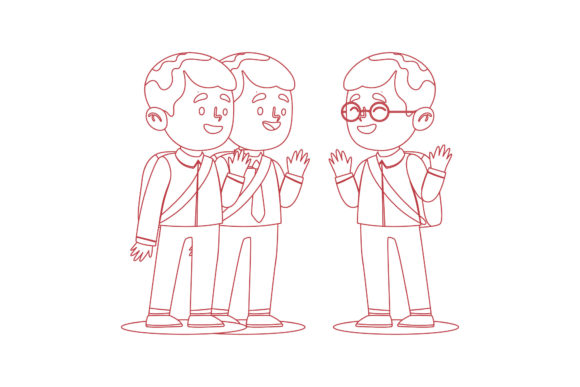
The first thing that stands out about Back to School Icon Coloring Pages is its clean, modern aesthetic. The design features simple, recognizable icons—backpacks, pencils, books, and school buses—that evoke a sense of nostalgia and fun. The layout is balanced, with enough detail to be engaging without being overwhelming. It feels like a design that could easily translate into a variety of embroidery projects, from personalized gifts to commercial merchandise.
The visual personality of the design is friendly and approachable, making it ideal for products aimed at children or educational themes. However, its simplicity also makes it adaptable for more subtle, professional uses, such as branding for a boutique or craft business.
Real-World Embroidery Performance
When considering how Back to School Icon Coloring Pages performs in actual embroidery situations, several factors come into play. The design’s structure is well-suited for custom apparel, including sweatshirts, t-shirts, and tote bags. Its scalability means it can be resized without losing clarity, which is essential for both small and large embroidery projects.
For baby items, the design works well as an embroidered patch or on a onesie. The minimal detail ensures that it won’t get lost on delicate fabrics, and the clean lines make it easy to stitch with precision. Similarly, for holiday or gift items, the design offers a fresh, seasonal touch that can elevate a handmade product or personalized gift.
However, there are some limitations. On textured or stretchy fabrics, the design may not show up as clearly, especially if the stitch density isn’t adjusted properly. For dark fabrics, the contrast between the thread colors and the background becomes crucial. Testing the design on scrap fabric before committing to a project is highly recommended.
Where to Use With Caution
While Back to School Icon Coloring Pages is versatile, there are scenarios where caution is advised. Small hoop sizes may not accommodate the full design, requiring segmentation or resizing. Thin or stretchy fabrics can cause distortion, so using the right stabilizer is key.
Dense areas of the design might need careful handling to avoid puckering or thread breakage. Tiny lettering or intricate corners could be challenging, especially if the design is scaled down too much. For curved surfaces like caps or hoods, the design may require adjustments to maintain its shape and clarity.
Additionally, if the design is used on layered garments or products that undergo frequent washing, the durability of the stitches becomes a concern. Ensuring proper stitch density and using high-quality thread can help mitigate these issues.
Impact on Visual Appeal and Customer Trust
Back to School Icon Coloring Pages has the potential to enhance the visual appeal of any embroidery project. Its clean lines and familiar imagery make it instantly recognizable, which can boost customer engagement and brand recognition. For small shop products or Etsy listings, this design can add value by offering a unique, themed element that appeals to parents, teachers, and students alike.
From a handmade perspective, the design contributes to a professional look that can increase customer trust. When used in printable mockups or digital product previews, it helps convey the final look of a finished product, which is essential for online sales. For commercial embroidery projects, the design’s scalability and editability offer flexibility, allowing for customization based on client needs.
Practical Designer Notes
Before using Back to School Icon Coloring Pages in any project, I recommend testing it on scrap fabric. This allows you to assess how the design looks in different thread colors and fabric textures. Checking the stitch density is also important—too dense, and the design may feel stiff; too light, and it may not hold up over time.
Confirming the correct hoop size is another practical step. If the design is too large for your machine’s hoop, you may need to split it or adjust the dimensions. Inspecting small details like corners and lettering can prevent unexpected issues during the stitching process.
Testing the design in black and white mockups can help visualize how it will look on different fabric backgrounds. Comparing it on light and dark fabrics ensures that the design remains visible and appealing in all contexts. Using the proper stabilizer is essential, especially for delicate or stretchy materials.
Finally, confirm whether the design is suitable for both personal and commercial use. Licensing terms can vary, so it’s important to verify this before selling finished items or digital products. For craft businesses or Etsy sellers, ensuring that the design aligns with your brand and product offerings is key to success.
Conclusion: A Versatile Design for Creative Projects
Back to School Icon Coloring Pages is a solid choice for embroidery designers looking for a flexible, theme-driven design. Its clean lines, playful mood, and adaptability make it suitable for a wide range of projects, from custom apparel to personalized gifts. While it requires careful consideration in certain applications, its overall performance and visual appeal make it a valuable addition to any design asset library.