Back to School Ball
As an embroidery designer and product reviewer, I often find myself evaluating digital files for real-world use. The Back to School Ball design caught my attention not just for its visual appeal but for how it might translate into practical projects. Let me walk through my thoughts on how this design performs in different scenarios and what it could mean for your next project.
First Impressions: A Design That Speaks to Nostalgia and Function
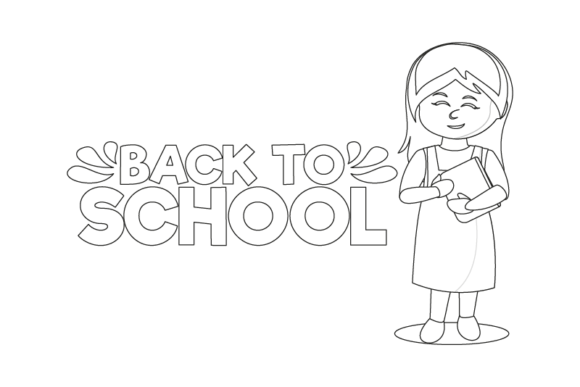
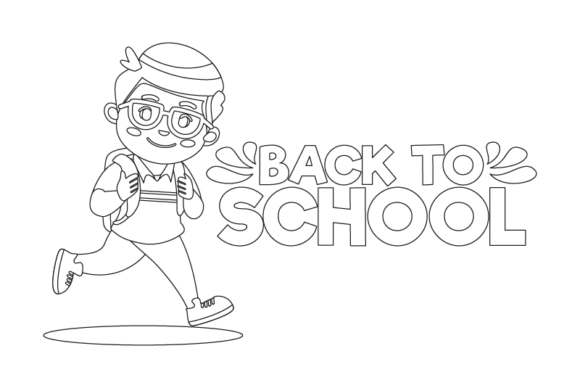
The Back to School Ball design immediately evokes a sense of nostalgia. It’s simple yet effective, with a clean layout that feels like it belongs in a classroom or a child’s room. The shape is rounded and friendly, making it ideal for items that need to feel approachable and warm. The level of detail is modest, which is great for embroidery because it avoids being too intricate for most machines.
This design seems to be crafted with the idea of being used on a variety of products—tote bags, sweatshirts, baby clothes, and more. Its theme is versatile enough to fit into different styles without feeling out of place. Whether you're creating a personalized gift or a small business item, the Back to School Ball has a visual personality that works well in many contexts.
Real-World Use: Where Does This Design Shine?
When considering real-life embroidery situations, the Back to School Ball excels in custom apparel, especially on t-shirts, sweatshirts, and tote bags. Its size and structure make it suitable for medium-sized hoops, which means it should work on most home embroidery machines. The design isn’t overly dense, so it won’t cause issues with thread breakage or fabric puckering, assuming proper stabilizer is used.
It also has potential for baby items like onesies or blankets. The soft, rounded shape makes it gentle on little ones, and the simplicity of the design ensures it won’t overwhelm the fabric. For handmade products, this could be a great addition to a line of personalized gifts or boutique merchandise.
If you’re an Etsy seller or a craft business owner, the Back to School Ball could be a valuable design asset. It’s easy to incorporate into printable mockups, and its clean lines make it adaptable for different color schemes. As a digital product, it could be sold as part of a collection or used in combination with other designs for a cohesive look.
Where to Be Cautious: Potential Pitfalls
While the Back to School Ball is generally well-suited for many projects, there are some situations where it may not perform as well. On small hoop sizes, the design might feel cramped, especially if you're trying to stitch it in a tight space. If you’re working with textured fabrics or thin materials, the design might not hold up as well, and the stitches could appear uneven.
On dark fabrics, the contrast might be less noticeable, so it’s worth testing the design in black and white mockups to see how it looks. Similarly, if you're planning to use it on stretchy or layered garments, you’ll want to ensure the design doesn’t distort when stretched. Curved surfaces like caps can also be tricky, so careful placement is key.
For projects that require frequent washing, the durability of the design depends on the stitching method and stabilizer used. If you're using a fill stitch or satin stitch, make sure the density is appropriate for the fabric type. Tiny details or lettering might not show up clearly, so it’s best to check the design at full scale before committing to a project.
Impact on Visual Appeal and Customer Perception
The Back to School Ball has a strong visual presence that can elevate the value of any finished product. When stitched properly, it adds a professional touch to custom apparel, making it more appealing to customers. It also helps build trust in handmade products by showing attention to detail and quality craftsmanship.
For small shop merchandise or Etsy listings, this design can help create a consistent brand identity. It’s also a good choice for holiday or seasonal items, as its theme is timeless and adaptable. As a personalized gift, it can be customized with names or dates, adding a unique touch that customers will appreciate.
In commercial embroidery projects, the Back to School Ball could be a reliable go-to design. Its simplicity makes it easy to modify or combine with other elements, and its clean lines ensure it remains visually appealing across different applications.
Practical Tips for Embroidery Designers
Before using the Back to School Ball in your next project, I recommend testing it on scrap fabric first. This will help you assess how it looks on different materials and identify any potential issues early on. Checking thread color contrast is also important, especially if you plan to use it on dark or light backgrounds.
Reviewing the stitch density is another key step. If the design is too dense, it could cause problems with the fabric or machine. Confirming the hoop size needed is also essential, as some machines have limitations on the maximum size they can handle.
Inspecting small details like corners or edges can prevent unexpected results. Testing the design in black and white mockups can help you see how it looks without color, which is useful for both personal and commercial projects. Using the right stabilizer is crucial for ensuring the design stays in place during stitching.
Finally, always confirm the licensing terms before selling finished items or digital products. Even though the Back to School Ball appears to be a straightforward design, it’s important to understand what you can and cannot do with it.
Conclusion: A Versatile Design for Many Uses
The Back to School Ball is a solid choice for designers looking for a clean, functional, and adaptable embroidery design. It works well in a variety of settings, from custom apparel to small business merchandise, and its simplicity makes it easy to integrate into different projects. With proper care and consideration, it can become a valuable part of your design library.