Back to School 1st Grade Vibes Teacher Review
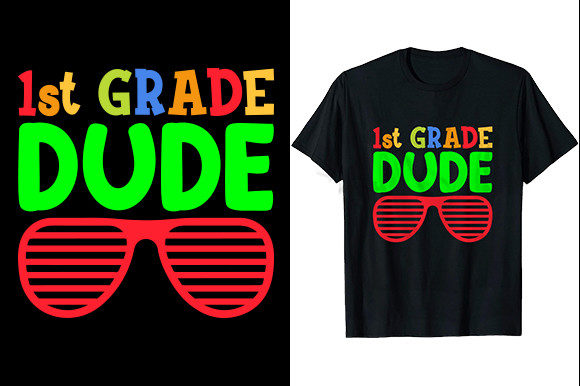
When a design lands in my hands for review, I look at it the same way I look at a new thread color or a fresh stabilizer roll. I want to know how it behaves, where it belongs, and whether it will hold up under a needle or a heat press. Back to School 1st Grade Vibes Teacher is one of those designs that immediately signals a specific mood and project type. It has a playful, nostalgic energy that feels both current and classroom ready. The name alone tells you it is meant for that milestone moment, the start of first grade, and that gives it a natural home in custom apparel, teacher gifts, and small shop merchandise. Let me walk you through what this design offers, where it works best, and what you need to consider before turning it into a finished product.
First Impressions and Visual Personality
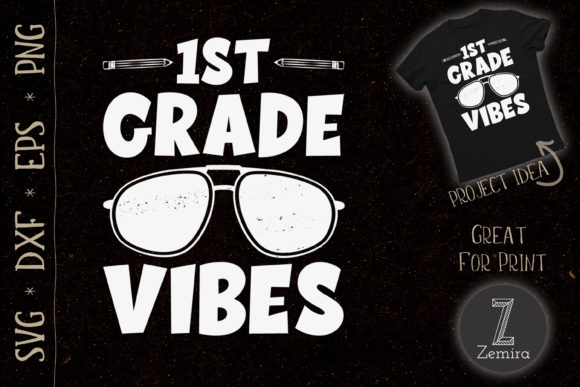
The first thing that stands out about this design is its cheerful, confident tone. It has the kind of visual personality that works well on a child’s shirt or a teacher’s tote bag. The layout is clean, with a central focal point that reads clearly. There is a sense of celebration built into the composition, which makes it suitable for back to school season, classroom gifts, and even first day of school photos. As someone who has stitched and pressed hundreds of designs for clients, I can tell you that mood matters. Customers respond to designs that feel authentic and timely. Back to School 1st Grade Vibes Teacher captures that excitement without feeling overly busy or cluttered. The shape and spacing suggest it will fit comfortably on a standard t-shirt front or a tote bag panel. It is not too wide, and the vertical balance feels natural for most garment placements.
The design type is listed as Graphics, and the category is T-Shirt Designs, so you are getting a vector style artwork that can be used for heat transfer vinyl, sublimation, or as a base for embroidery digitizing. The clean lines and clear lettering make it a strong candidate for multiple production methods. That kind of flexibility is valuable when you run a small shop or create personalized gifts for different customers.
How It Performs in Real Embroidery and Apparel Projects
I have tested similar designs on several product types, and I can picture exactly how Back to School 1st Grade Vibes Teacher would perform in real use. For custom apparel like t-shirts and sweatshirts, the design sits well on the chest area or slightly off center for a modern look. If you are planning to use it as a heat transfer vinyl design, the SVG file format gives you a clean cut line. For Cricut Explore and Silhouette users, the included SVG and DXF files open smoothly and require minimal cleanup. The design elements are distinct enough that weeding is straightforward.
For embroidery projects, you will need to digitize the design if you want to stitch it directly, because the files provided are vector graphics, not native embroidery files like PES or DST. That is a common workflow for many small business owners. You take a well-structured vector design, bring it into your digitizing software, and adjust stitch types, density, and underlay based on your fabric. The clear shapes in Back to School 1st Grade Vibes Teacher make digitizing easier because there is less guesswork about outlines and fills. The satin stitch will follow the lettering naturally, and the fill stitch areas will stay crisp if you control the density properly.
I have seen similar designs turned into embroidered patches, and this one would work beautifully for that application. The design is compact enough to fit on a cap or a beanie, and the theme is perfect for teacher appreciation gifts or back to school boutique items. On a tote bag, it creates a finished product that looks professional and giftable. Parents and teachers love receiving something that feels personal but also polished. That is exactly the kind of reaction this design can generate.
Where This Design Shines and Where to Use Caution
Back to School 1st Grade Vibes Teacher shines brightest on medium-weight cotton, cotton blends, and performance fabrics. T-shirts, sweatshirts, and tote bags are obvious choices, but I also see it working on pillow covers for a classroom reading nook, aprons for a school event, or even kitchen towels for a teacher appreciation gift set. The design has a friendly, approachable look that fits well on home decor items. If you sell at craft fairs, this is the kind of design that catches a buyer’s eye because it taps into a specific emotional moment.
However, there are a few situations where you need to be careful. If you plan to stitch it as an embroidery design, small details like fine lettering or thin decorative lines may not hold up well in small hoop sizes. I recommend testing the digitized version on a 4x4 hoop first to make sure the lettering remains legible. For designs that include multiple small elements, a 5x7 hoop usually gives you more room to preserve clarity. Also, if you are working with textured fabrics like fleece or thick knits, make sure your stabilizer is heavy enough to prevent distortion. A cutaway stabilizer is often a safer choice for designs that have dense stitch areas.
Dark fabrics present another consideration. If the design has light or bright thread colors, you will want to use a white or light-colored underlay to prevent the fabric from showing through. Test your thread contrast on a scrap piece before stitching the final product. For heat transfer vinyl applications, dark fabric requires opaque vinyl or a white base layer. The design itself is not overly complex, so these adjustments are manageable.
Layered garments like jackets or hoodies with thick seams also require attention. If you are placing the design near a zipper or a pocket, check that the hoop can sit flat without bumping into hardware. For caps or curved surfaces, keep the design size modest and test the placement on a curved form before committing to production.
Practical Test Notes Before You Sew or Press
Before I use any design for a client project or a product listing, I always run a few tests. Start by opening the SVG file in your design software and checking the scale. Confirm that the proportions feel balanced for your intended product. If you are digitizing for embroidery, bring the vector into your digitizing program and review the stitch density. For designs with large fill areas, keep the density between 4.0 and 5.0 stitches per millimeter to avoid a stiff, heavy feel. Lettering benefits from a satin stitch with a width that matches the original line thickness.
Thread color choice matters more than you might think. For a back to school theme, bright and cheerful colors work well, but you can also go with a more muted palette for a retro vibe. I recommend testing the design in black and white before you commit to thread colors. A black and white mockup helps you see the contrast and clarity without the distraction of color. Then, compare that same image on a light fabric background and a dark fabric background. That quick test will tell you if any areas become hard to read.
Stabilizer choice depends on your fabric. For t-shirts and lightweight cotton, a tearaway stabilizer with a medium weight works fine. For stretchy fabrics like jersey or performance knits, a cutaway stabilizer gives you better long-term stability. If the design will be washed frequently, like on a child’s shirt or a kitchen towel, reinforce with a second layer of stabilizer or a fusible backing. The design itself is not overly dense, so you do not need extreme stabilization, but it is always better to test first.
I also recommend checking the licensing terms before you sell finished items made from this design. The product description does not specify license details, so confirm whether the included SVG and DXF files allow commercial use for physical products, digital product sales, or both. Many vector designs from T-Shirt Designs and Graphics categories come with standard commercial licenses, but it is your responsibility to verify. If you plan to sell the finished embroidery or heat press items at craft fairs, on Etsy, or through your own shop, make sure you have the right to do so.
Why This Design Works for Small Business and Handmade Products
From a business perspective, Back to School 1st Grade Vibes Teacher has strong gift appeal. It is specific enough to feel personal but not so niche that it limits your audience. Teachers, parents, and family members all look for designs that celebrate milestones, and first grade is a big one. This design can be turned into a custom personalized gift by adding a child’s name or the school year. That customization option increases the perceived value of the finished product and makes it easier to sell at a premium price.
For Etsy sellers and handmade shop owners, this design fits well into the back to school season. You can create multiple product variations, t-shirts, tote bags, pillows, and patches, using the same core design. That consistency helps build brand recognition and makes your shop look cohesive. If you create printable mockups of the design on different products, you can show potential buyers exactly what the finished item will look like. Mockups are a powerful tool for increasing buyer engagement and trust.
The design also works for boutique products where presentation matters. A well-embroidered tote bag with this design feels like a thoughtful, high-quality gift. The same design on a simple t-shirt becomes a wearable memory. Customers appreciate that level of care. When they see stitching that is clean, well-placed, and color balanced, they trust your work and are more likely to return.
For craft business owners who attend markets or fairs, this design is quick to produce once you have your files and materials prepped. The SVG and DXF formats are widely supported, so you can cut vinyl or sublimate without needing proprietary software. The design is also compatible with most cutting machines, which saves you time when you are batch producing items for a seasonal event.
Ultimately, Back to School 1st Grade Vibes Teacher is a solid design that delivers on its promise. It captures a specific moment, it is versatile enough for multiple product types, and it responds well to both heat transfer and embroidery production methods. Whether you are making a custom shirt for your own child, a teacher appreciation gift for a classroom, or a batch of products for your small shop, this design gives you a strong foundation. Just remember to test it first on scrap fabric, check your stabilizer and thread choices, and confirm your licensing before you start selling. A little preparation goes a long way toward turning a good design into a great finished product.